
Things to Do in Banff: A Practical First-Timer Guide
Plan your first visit with local advice on things to do in Banff, from famous lakes and hikes to wildlife viewing, scenic drives, and where to stay.
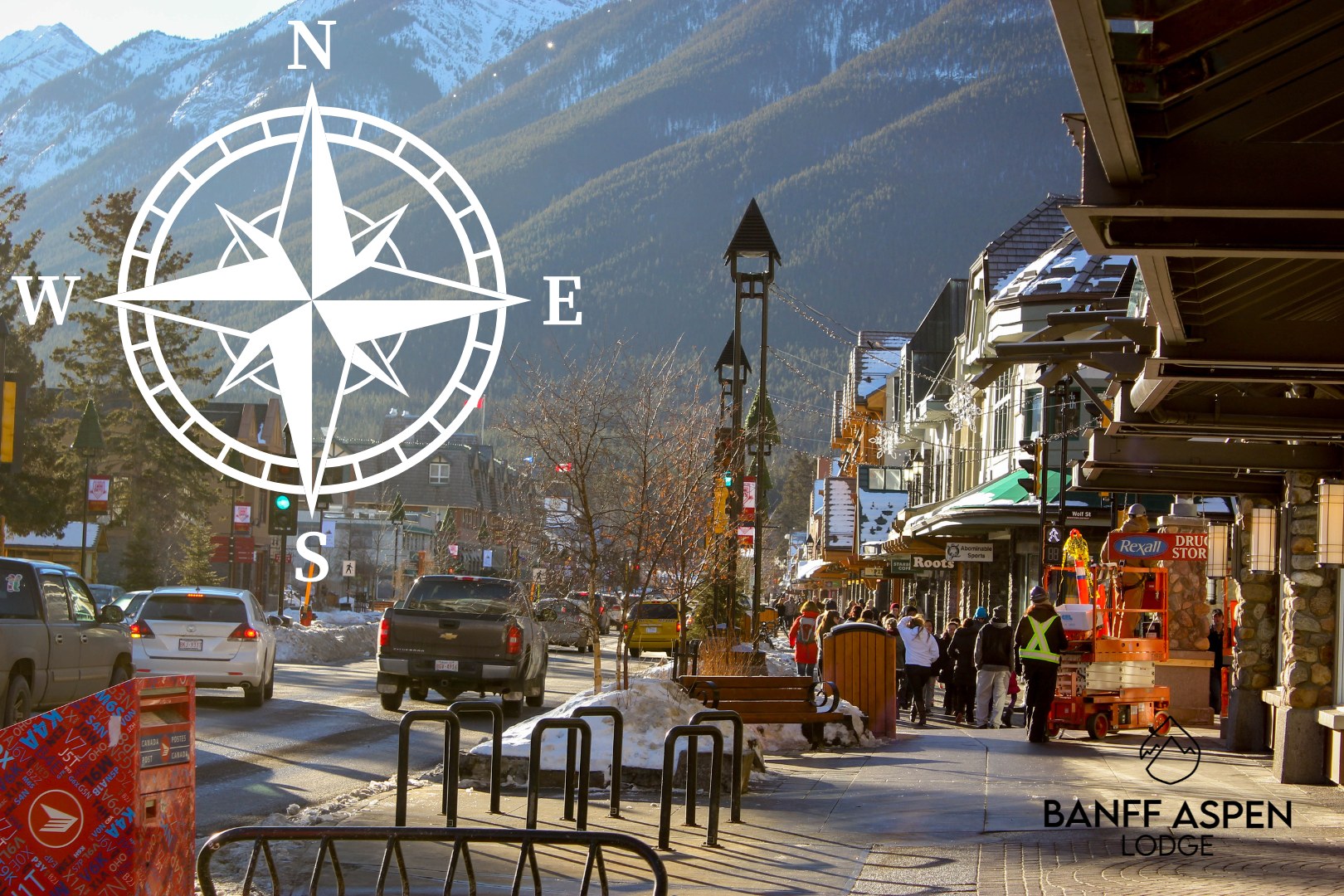
Arriving in Banff for the first time is a delight you’ll remember. Right away, you’re greeted by mountain peaks that seem to rise straight up from town, bustling streets lined with friendly cafés and shops, and more activities than you could fit into one trip—all in a place that feels as easy-going as a Canadian coffee shop. But yes, we know it can feel like a lot to sort through when planning things to do in Banff.
This cheerful guide is here to help you narrow your choices to the experiences you’ll actually love, without packing your days too tight. Staying central makes everything simpler. If you base yourself right on Banff Avenue—like at Banff Aspen Lodge—you can stroll to restaurants, shops, cafés, and even tour pick-ups, all without needing your car or a shuttle. That’s classic Banff convenience!
What Are the Best Things to Do in Banff for a First Visit?
First-time visitors can’t go wrong with the essentials: Lake Louise and Moraine Lake, a ride up the Banff Gondola, a stroll through Johnston Canyon, exploring downtown Banff, a few scenic drives, and keeping your eyes open for local wildlife. Blend in these iconic sights with slower local moments—maybe a cozy coffee break or a gentle amble along the river. Enjoy it like a local would!
You really don’t need to see and do it all in one go. Pick a handful of highlights, keep a bit of a buffer in your days, and let yourself be flexible. Our full Things to Do in Banff page offers even more honest recommendations for every time of year.
Iconic views and easy wins
Some experiences serve up huge scenery for almost no effort. The Banff Gondola whisks you up Sulphur Mountain for jaw-dropping views of six mountain ranges. Surprise Corner frames the Fairmont Banff Springs right above the Bow River. Don’t miss Bow Falls, the Lake Louise lakeshore, and the famous views straight down Banff Avenue. These are easy wins—no sweat required.
Active adventures for beginners
You don’t need to be a seasoned hiker here in Banff. Short trails, riverside pathways, scenic bike rides, and lakefront strolls all offer up stunning mountain views. If you’d prefer to let someone else handle the planning, beginner-friendly guided tours are a great option. As we say on our Visit Banff page—pick your adventure, whether it’s hiking, kayaking, or just relaxing over coffee while admiring the peaks. When searching for things to do in Banff, there’s something for everyone, truly.
How Should You Spend Your First Day in Banff?
Your first day in Banff should be easy-going. Wander Banff Avenue, enjoy a walk along the Bow River, pay a quick visit to Bow Falls, and settle into the laid-back mountain-town atmosphere. Hold off on bigger drives and hikes until you’ve got the lay of the land. Honest advice: take it slow and soak it all in!
We always start our 4-day itinerary with this relaxed arrival day. It’s the Canadian way!
Walk Banff Avenue
Banff Avenue and Bear Street are chock-full of galleries, outdoor gear shops, inviting eateries, and welcoming cafés. Downtown is small enough for a good wander—no need to drive. Cascade Mountain provides the perfect backdrop as you explore and enjoy the sights. Taking a stroll here is easily one of the most delightful things to do in Banff.
Visit Bow Falls and the Bow River
The Bow River Trail is right on the edge of the downtown action. It’s flat, pretty, and accessible for nearly anyone. A stroll towards Bow Falls is an easy photo opportunity and a gentle introduction to Banff’s gorgeous nature.
Ease into the evening
Treat yourself to dinner in town or sip a patio drink, but don’t feel the need to overdo the evening. Since the Whitebark Cafe closes at 6pm, it’s a perfect spot for an après drink before you relax in the hot tub or steam room to get ready for tomorrow.
Which Lakes Should First-Time Visitors See?
Definitely prioritize Lake Louise and Moraine Lake (when they’re open), then consider Lake Minnewanka, Two Jack Lake, Vermilion Lakes, or even Peyto Lake depending on your route and season. Access, shuttles, and parking can change, so check with Parks Canada for the latest scoop before you go. It’s always better to be in the know when planning your things to do in Banff!
Lake Louise
Lake Louise’s famous turquoise water sits right beneath a wall of peaks and the striking Victoria Glacier. Walk the flat lakeshore, paddle a canoe in summer, or even skate the frozen lake in winter (when it’s safe, of course). Just remember, parking here fills up fast—before sunrise some days—so booking a shuttle really helps.
Moraine Lake
Moraine Lake, set in the gorgeous Valley of the Ten Peaks, is one of the Rockies’ most photographed spots. Private vehicles aren’t allowed here, so you’ll need a shuttle or guided tour. Plan ahead and, if you can, snag a sunrise shuttle. The light is worth it!
Lake Minnewanka and Two Jack Lake
Just a short drive from town, these lakes don’t need advance shuttles. At Minnewanka, hop on a 60-minute boat cruise to learn about the submerged village and the area’s colourful history. Two Jack Lake is a quieter spot, perfect for a lakeside picnic or a peaceful sunset. Canadians love a good picnic, after all.
Vermilion Lakes
Only minutes from downtown, Vermilion Lakes reflects Mount Rundle beautifully at sunrise or sunset. You can drive, cycle, or even walk here. Wildlife often makes an appearance, and the calm water serves up serene scenery. Don’t forget your camera!
What Easy Hikes and Walks Are Worth Doing?
For visitors looking for easy walks, check out Johnston Canyon, Tunnel Mountain, the Bow River Trail, Fenland Trail, and the Lake Louise Lakeshore Trail. If you want active things to do in Banff, lace up good footwear, bring water, and always keep an eye on trail conditions—mountain weather can change in a flash. Safety first, eh?
Johnston Canyon
Catwalks anchored to the canyon walls bring you to the Lower Falls in just over a kilometre—an hour round trip if you’re taking it easy. The Upper Falls section adds distance and a steeper hike. Winter brings frozen waterfalls and ice climbers for extra drama. We recommend starting early to avoid the crowds, and you can get here by car or Roam Transit.
Tunnel Mountain
This well-loved hike begins right from town and rewards you with huge views over Banff and the Bow Valley. It’s a manageable climb and a big payoff—no wonder it’s so popular with first-timers.
Bow River Trail and Fenland Trail
If you prefer gentle walking, both these trails are flat and close to the town centre. Fenland Trail winds quietly through forest and wetlands, while the Bow River Trail follows the water with downtown access. The best part? You won’t need your car at all.
Where Can You Find the Best Views Without a Long Hike?
Short on time or just feeling mellow? Catch Banff’s best vistas at the Banff Gondola, Surprise Corner, Vermilion Lakes, Bow Falls, the Mount Norquay viewpoint, or right along Lake Minnewanka Scenic Drive. If you are looking for relaxing things to do in Banff, every one of these is a high reward for little effort.
Banff Gondola
The gondola ascends 700 metres up Sulphur Mountain in under ten minutes. At the top, there’s a network of boardwalks, sweeping observation decks, and some excellent interpretive exhibits. Clear days deliver unbeatable scenery, but mountain weather can roll in, so check the forecast and book a couple of days ahead for the best fares.
Surprise Corner
This little pullout off the road gives you the classic shot of Fairmont Banff Springs perched over the Bow River—almost postcard perfect. It’s just a few minutes from downtown, so it’s an easy detour for anyone with a camera in hand.
Mount Norquay viewpoint
Drive up Norquay for sweeping views over the valley and town—an especially lovely spot at sunset. In the summer, the sightseeing chairlifts get you even higher, and you can pair this visit with nearby stops.
How Can You Spot Wildlife Safely in Banff?
Wildlife viewing is a highlight here, but everyone’s safety—including all our animal neighbours—comes first. Head out early in the morning or just before dusk for your best chance, keep a safe (and legal) distance, don’t feed any critters, and follow Parks Canada’s advice to the letter. It’s just the Canadian thing to do, honestly.
Best times for wildlife viewing
Keep your eyes peeled for elk, deer, bighorn sheep, bears, and birds—dawn and dusk bring them out. Spring and autumn are especially good, and patience on quieter roads pays off. If you’re hoping to spot bears, April and May are your best bets.
Safe viewing habits
Stay at least 30 metres from elk, deer, and sheep—and 100 metres from bears and cougars.
Never feed wildlife or let them approach you.
Stick to using your zoom lens or binoculars rather than moving closer.
Pull over only at safe roadside locations, and never block traffic.
Carry bear spray on trails and obey all closures and warnings.
And just so you know, fines for breaking wildlife rules can hit $25,000—so please remember to give our animals their space!
What To Do in Banff When the Weather Changes?
Weather not cooperating? No worries! Switch gears with a soak in the hot springs, grab coffee at a local café, pop into museums or shops, or take a scenic drive. There are plenty of indoor things to do in Banff, and staying central keeps your plans flexible for whatever the day brings. That’s classic Banff resilience, we’d say.
Warm indoor and sheltered activities
The Whyte Museum is a nice way to enjoy local history and art in a laid-back atmosphere. Add the Cave and Basin National Historic Site—it’s an engaging half-day visit that tells the whole story of Canada’s national parks system. Downtown galleries, shops, and easy dining fill the rainy hours with simple fun.
Hot springs and hotel relaxation
The Banff Upper Hot Springs stays lovely all year, with natural mineral water at just the right temperature (37–40°C) and stellar views from the pool. Back at the lodge, relax in our two outdoor hot tubs, steam room, or Nordic sauna—perfect after a cool, wet, or busy day.
How Many Days Do You Need in Banff?
For a first visit, we suggest you plan for at least two or three days in Banff. Four days lets you see all the icons, but still have time to enjoy slower moments and extra lakes, hikes, or scenic drives. Experiencing all the incredible things to do in Banff takes a bit of time, so you want enough time to fall in love with the place, not just check boxes.
Two-day first-timer plan
Spend your first day walking downtown and riding the Banff Gondola. On day two, check out Lake Louise and Johnston Canyon, making time for one scenic drive in between. Honest and straightforward!
Three-day first-timer plan
Add Moraine Lake to your trip (if it’s open for travel), plus Lake Minnewanka and Vermilion Lakes. Make sure you’ve got downtime, so your holiday still feels like a holiday.
Four or more days
Longer stays open up options for more hikes, day trips to Yoho or the Icefields Parkway, slower starts to your mornings, and some buffer if the weather changes. You’ll be glad to have extra time.
Where Should First-Time Visitors Stay in Banff?
If you want easy access to dining, shops, cafés, tour pick-ups, and practically everything else, look for a spot near Banff Avenue. Where you stay shapes how relaxed and smooth your whole trip feels. Honest opinion—it makes a huge difference.
Walkability and convenience
Central accommodations mean you won’t waste time or patience hunting for parking, and meals and spontaneous strolls are right at your fingertips. Roam Transit and tour pick-ups are nearby, so you can hang up your car keys. Check out our downtown accommodations guide for more about why staying central saves time and money. Canadians love to keep things easy, after all.
Comfort after full days outside
Banff Aspen Lodge, family-run and right on Banff Avenue, is only a short walk from downtown. You get a complimentary hot buffet breakfast every morning, Whitebark Cafe just off the lobby, secure ski and bike storage, and room choices for solo travellers, couples, and families. Most importantly, our team is here 24/7 for honest, local advice—ask us anything, we’re glad to help!
Frequently Asked Questions
Do you need a car in Banff?
It can be handy for scenic drives and flexibility, but you won’t need a car for everyday exploring if you stay in the centre. Most major attractions are walkable or can be reached by shuttle, tour, or Roam Transit.
What is the best month to visit Banff?
That depends on what you’d most like to do! Summer offers great lake visits and hiking, autumn is quieter with beautiful colours, and winter is for skiing and scenic snow. Our Best Time to Visit Guide breaks it down by activities. Honest tip: there’s really no bad time to be here.
Is Banff good for families?
Absolutely! Banff is famously family-friendly. Easy walks, gondola rides, lakes, wildlife viewing, and plenty of casual restaurants make it a hit for kids. Spacious accommodation options also make longer stays a breeze.
Can you visit Banff on a budget?
Definitely. Travel in the quieter seasons, pick accommodations you can walk from, enjoy free viewpoints and trails, and plan your meals. Rooms at the lodge start from around CAD$179 per night in the less busy seasons, breakfast included—can’t beat that value.
Your First Banff Trip Starts with the Right Home Base
Remember: you don’t need to do everything on your first trip. Pick a few must-sees, leave room for spontaneous fun, and stay somewhere central to keep things simple. That’s the secret—enjoy, relax, and you’ll be counting the days until next time!
Ready to plan your own Banff must-do list? Banff Aspen Lodge is here to welcome you with a prime spot right on Banff Avenue, where so many of the highlights for first-timers are close by. To easily access the best things to do in Banff, make us your home base. Welcome to the Rockies—we hope you love them as much as we do!