Best Time to Visit Banff: Plan Around Your Activities
Find the best time to visit Banff for hiking, skiing, wildlife viewing, and photography. Compare seasonal weather, crowds, trail access, and snow conditions.
Banff really is a treat, no matter when you visit. Snow-blanketed peaks and cozy ski hills make January a winter wonderland, while those famous turquoise lakes and lively trails take centre stage come July. There’s truly no one-size-fits-all “best month” here—your perfect Banff moment depends on what you’re after.
It all comes down to your plans. In this friendly guide, we’ll help you find the right time for hiking, skiing, wildlife spotting, and snapping great photos—and give you the lowdown on crowds, weather, and practical tips to make your trip a breeze. And honestly, staying central on Banff Avenue keeps things flexible if Mother Nature throws a curveball.
When Is the Best Time to Visit Banff for Your Travel Style?
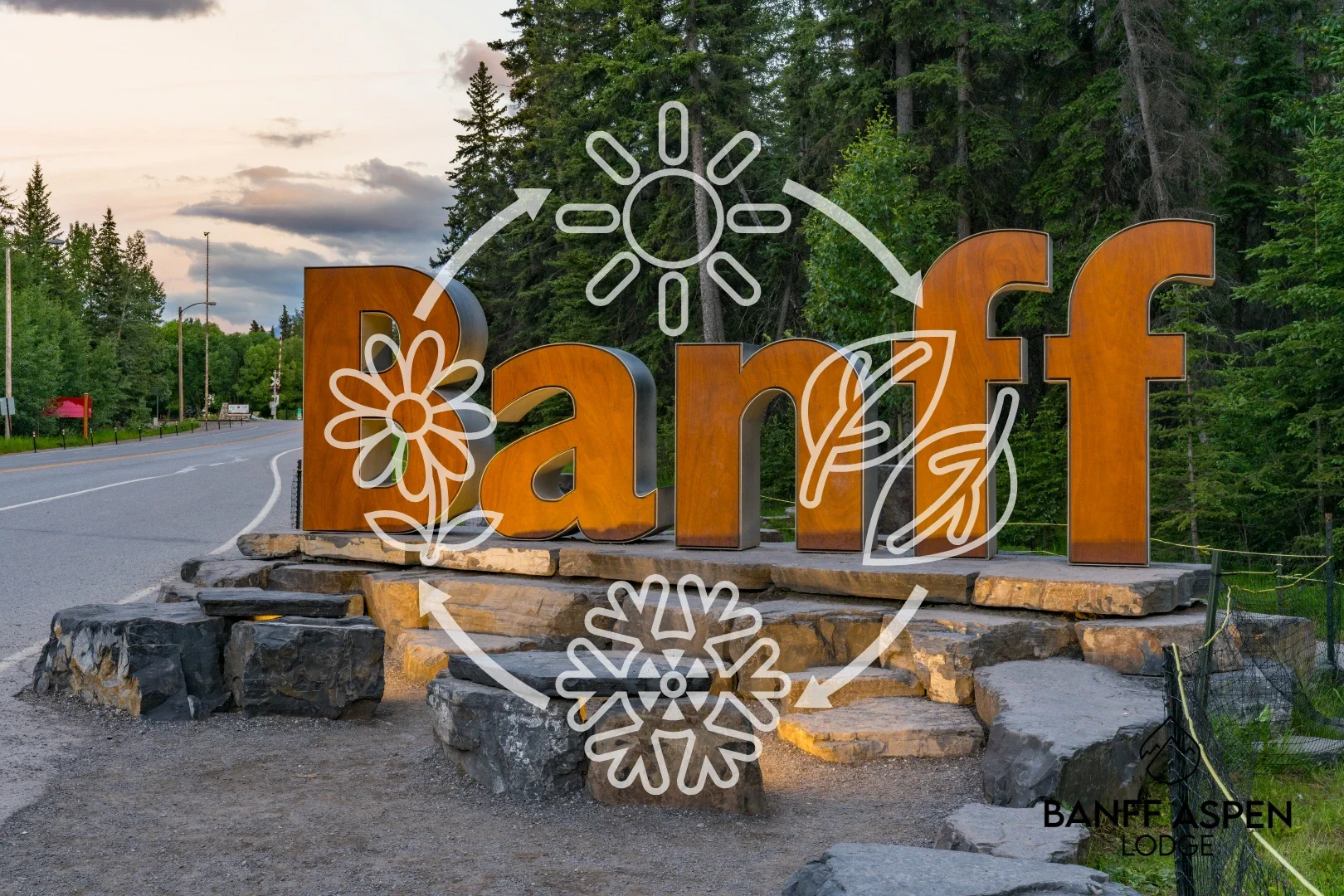
Banff shines year-round, but what’s “best” comes down to you: summer is a hiker’s dream, winter is for ski lovers, spring is fantastic for wildlife sightings, and autumn is a photographer’s paradise. Each of Banff’s four seasons brings its own vibe. Or, as we like to say over on our Visit Banff page, "as the seasons change here, so does the huge list of activities you’ll want to fill your days with."
Here’s the friendly short version for each season:
Winter: Skiing, snowboarding, and oh-so-beautiful snowy views.
Spring: Quieter streets and a great chance to see wildlife emerging.
Summer: Hiking, lake time, and those long northern daylight hours.
Autumn: Golden colours, amazing photo ops, and lighter crowds.
Choose your time based on what matters most to you. Summer isn’t automatically the winner for everyone, eh!
Winter: Snow, Skiing, and a Calm Mountain Ambience
From December to March (sometimes into April!), Banff turns into a snowy playground. You’ve got options: skiing, snowboarding, snowshoeing, soaking in a hot tub, or simply enjoying the sparkly snowy views. Be ready for cold temps, shorter days, and if you’re driving, take winter conditions seriously.
Spring: Wildlife, Melting Trails, and Shoulder-Season Value
April to June is kind of a hidden gem. It’s quieter, wildlife is bubbling with activity, and while conditions can change, you’ll usually have good luck on lower trails before the alpine stuff opens up. If you can adapt, you’ll get great value.
Summer: Hiking, Lakes, and Amazing Energy
Late June to August is classic Banff: long, glorious days, easy-to-reach trails, paddling on lakes, and jaw-dropping drives. Just keep in mind, it gets busier and prices go up. Planning ahead is smart.
Autumn: Golden Landscapes and Crisp Days
September to October brings magic: larches glow gold, temperatures dip, and crowds fade. It’s a top pick—just remember, the odd snowfall can show up early in the high country.
When Should You Visit Banff for Hiking?
For hiking, late June to September is typically your best bet. July and August have the most reliable trail conditions, while September adds that spectacular fall colour. Lower trails clear up first; high-alpine ones need a bit more melt. Always double-check trail reports before you step out.
Late June to August Trail Access
Mid-July is when you’ll spot most alpine trails open and the lakes totally thawed. Long daylight gives you lots of freedom to start early—or, honestly, to sleep in a bit!
Most hiking options are fully open.
Lakes sparkle, and those viewpoints are in reach.
Crowds peak on icons like Moraine Lake—plan accordingly.
September Hiking Conditions
September is a friendly alternative. The air is cooler for those climbs, golden larches turn Banff to gold, and families thin out when school starts. Just keep in mind, early snow is always possible up high.
Spring and Early Summer Limitations
May and early June are a bit unpredictable. Higher trails can be wet or snowbound, and avalanche terrain may still be risky. Stick to lower, drier paths and go with the flow.
When Should You Visit Banff for Skiing and Snowboarding?
For skiing and snowboarding, December through March brings solid conditions, though April is also great if you enjoy spring skiing and milder weather. Most hills stay open into May some years! And it’s not just downhill—you can snowshoe, skate, or take a snowy stroll as well.
After a chilly day, our on-site perks help you warm up. On our Hotel Amenities page, we proudly mention our two outdoor hot tubs—they’re “perfect for easing tired muscles”—plus we have a sauna and a steam room.
December Holiday Atmosphere
December brings a magical snow globe vibe. The holidays are busy, so be sure to plan ahead for accommodation and activities. If you love that festive feel, you’ll be right at home.
January and February: Peak Snow
Mid-winter means reliable powder and cold mornings—true paradise for skiers and boarders. The days are shortest, so bundle up with plenty of layers.
March and April: Spring Skiing
As winter winds down, you’ll enjoy more daylight and milder temps. The snow softens by afternoon, and the cold isn’t quite so sharp. Always check the latest updates from the resorts.
When Is Wildlife Viewing Best in Banff?
Spring and autumn both offer wonderful wildlife viewing, especially at dawn and dusk, when Banff’s wild residents are most active. Elk, deer, bighorn sheep, bears, and birds all call Banff home. Remember to give them space, don’t feed them, and always follow Parks Canada advice.
Spring Wildlife Activity
With the snow melting, animals come down to lower elevations and there’s less bush to block your view. Bears shake off winter sleep in April and May. Always use caution around bears and avoid stopping dangerously on the roads.
Autumn Wildlife Activity
September and October bring the elk rut, with lots of impressive animal activity. Cooler weather and lighter crowds help. Please remember—bull elk get feisty in the fall, so snap your photos safely from a distance.
Responsible Wildlife Viewing
Zoom lenses or binoculars are your best friends—don’t try to get closer.
Never stop in unsafe spots on the road.
Keep all food safely locked away.
Always obey signs and trail closures.
When Should Photographers Visit Banff?
Photographers—pick your season: autumn’s golden glow, winter’s snowy vistas, summer’s turquoise lakes, or spring’s gentle wildlife and changeable light. There’s beauty on offer every month, and sunrise and sunset shift times all year.
Autumn Colour and Larch Season
Autumn is a standout for golden larches, crisp air, and dramatic skies. Fewer crowds and a little powder at elevation make scenes pop.
Winter Snow and Moody Light
Snow-capped mountains, frozen lakes, frosty trees, and atmospheric light make winter a unique treat. Shorter days mean you won’t have to get up so early for sunrise! Don’t forget those mittens.
Summer Lakes and Long Golden Hours
Summer’s famous for those brilliant lakes and easy access to nearly every viewpoint. Start early for peaceful shots—popular places get busy by noon. And, as any Canadian will tell you, mountain weather can change fast.
What Is the Quietest Time to Visit Banff?
For a peaceful trip, aim for spring or late autumn—April, May, early June, October, and November are quieter, though weather and trail conditions do keep you guessing. Even if some spots are closed, Banff town always makes a comfy base.
Spring Shoulder Season
Flexible travellers will love spring. Fewer folks, a mix of winter and spring vibes, and a laid-back feel make it perfect for café hopping, scenic drives, or a slow stroll through town.
Late Autumn Shoulder Season
Things settle down in October and November as fall colour fades and winter sneaks in. Some attractions close for winter, so this is a great time for relaxed adventures and warm, cosy stays.
How Should You Plan Your Banff Trip Around Weather and Seasons?
Stay flexible—build in extra time and bring plenty of layers. Always check current weather and trail conditions, and make the most out of staying close to the heart of Banff. After all, Canadian mountain weather keeps us all on our toes! A little room to adjust your plans goes a long way.
Pack for Every Kind of Weather
Lots of layers, waterproofs, sunblock, and sturdy shoes.
Bundle up well in winter—it gets nippy.
Pack the daypack with essentials for every hike or outing.
Even in summer, mornings and evenings can be cool, so tuck in a warm layer.
Keep Your Plans Open
Don’t try to fill every minute. Have backup ideas for rainy or snowy days, and make time for your must-dos early in your trip. Our Banff 4 Day Itinerary shows how “no matter the season, your energy, or the weather, you can easily shape each day to suit your mood.”
Stay Central and Stay Flexible
Banff Avenue puts everything at your fingertips—shops, restaurants, cafés, and all the essentials. Our article on why downtown accommodations make trips easy explains how having a central home base lets you roll with the changes if the weather turns or if a trail gets popular.
At Banff Aspen Lodge, you’re set with fresh coffee and a hot breakfast at Whitebark Cafe (right in our lobby!), safe spots for ski and bike storage, and a friendly team ready with advice around the clock. We’re always happy to help you make the most of your stay.
Frequently Asked Questions
How many days do you need in Banff?
Most visitors find that three or four days hits the sweet spot. If you can swing a full week, you’ll fit in extra hiking, sightseeing, or a bit of weather wiggle room.
Is Banff better in summer or winter?
If you can’t decide—summer offers hiking and turquoise lakes, while winter is all about skiing, snow, and that tranquil alpine feel. Pick what calls to you most.
Can you visit Banff without a car?
Absolutely. Stay central and you can walk to shops, restaurants, and most town spots. Public transit and tours do the rest, including popular places like Lake Louise and Moraine Lake.
What month are Banff’s lakes the bluest?
Late June through August is when Banff’s lakes showcase that iconic turquoise, thanks to glacier melt and full thaw. Bring the camera!
Is Banff good for family trips?
You bet. From gentle walks and scenic lookouts to wildlife watching, family-friendly dining, and spacious stays, Banff works for all ages.
Plan Your Banff Adventure Around What Matters to You
Hikers, skiers, wildlife fans, and photo buffs—each group will have its own “perfect Banff.” There’s no official best time; it’s about what you want to experience most. Plan your trip for what you love.
Banff Aspen Lodge offers a warm welcome anytime, with a central location on Banff Avenue, complimentary hot breakfast, the inviting Whitebark Cafe, outdoor hot tubs for stargazing or muscle-soothing, and a friendly Canadian team always ready to share a tip or two. Check out our rooms and book in when you’re ready to experience Banff for yourself.